Learn2Play
As a big fan of board games, I've always had a pet-peeve around how you learn to play them. The old-school instruction manuals made sense back in the '90s when I was first learning to play games, but since then, we've grown up.
As a big fan of board games, I've always had a pet-peeve around how you learn to play them. The old-school instruction manuals made sense back in the '90s when I was first learning to play games, but since then, we've grown up.
As a big fan of board games, I've always had a pet-peeve around how you learn to play them. The old-school instruction manuals made sense back in the '90s when I was first learning to play games, but since then, we've grown up.
About the project
In modern games, everything you buy is either so intuitive that you don't need instructions or has a companion app or online instructions that walk you through it. While the real high-cost board games have followed suit, most board games still have the manual. I wanted to create a product that bridged the gap, and let players learn to play - and learn to love - their games as quickly as possible.
In modern games, everything you buy is either so intuitive that you don't need instructions or has a companion app or online instructions that walk you through it. While the real high-cost board games have followed suit, most board games still have the manual. I wanted to create a product that bridged the gap, and let players learn to play - and learn to love - their games as quickly as possible.
In modern games, everything you buy is either so intuitive that you don't need instructions or has a companion app or online instructions that walk you through it. While the real high-cost board games have followed suit, most board games still have the manual. I wanted to create a product that bridged the gap, and let players learn to play - and learn to love - their games as quickly as possible.
Date:
Apr 1, 2020
Client:
Personal Project
Board games have changed. Instruction manuals haven't
As a big fan of board games, I've always had a pet-peeve around how you learn to play them. The old-school instruction manuals made sense back in the '90s when I was first learning to play games, but since then, we've grown up. In modern games, everything you buy is either so intuitive that you don't need instructions or has a companion app or online instructions that walk you through it. While the real high-cost board games have followed suit, most board games still have the manual. I wanted to create a product that bridged the gap, and let players learn to play - and learn to love - their games as quickly as possible.
Logical steps
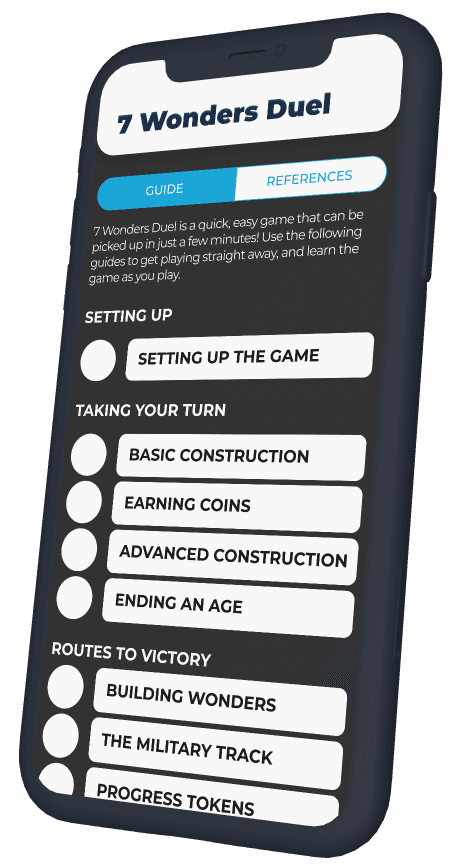
I wanted to mimic the learning structures that you find in traditional Anki learning, like Duolingo. For that reason, I split each game's manual into multiple small sections.
My hypothesis was that a user would be able to quickly learn the parts of the game that are relevant when they come up, and then move on, returning when they need to learn something more.
Logical steps
I wanted to mimic the learning structures that you find in traditional Anki learning, like Duolingo. For that reason, I split each game's manual into multiple small sections.
My hypothesis was that a user would be able to quickly learn the parts of the game that are relevant when they come up, and then move on, returning when they need to learn something more.
Logical steps
I wanted to mimic the learning structures that you find in traditional Anki learning, like Duolingo. For that reason, I split each game's manual into multiple small sections.
My hypothesis was that a user would be able to quickly learn the parts of the game that are relevant when they come up, and then move on, returning when they need to learn something more.
Introducing the user
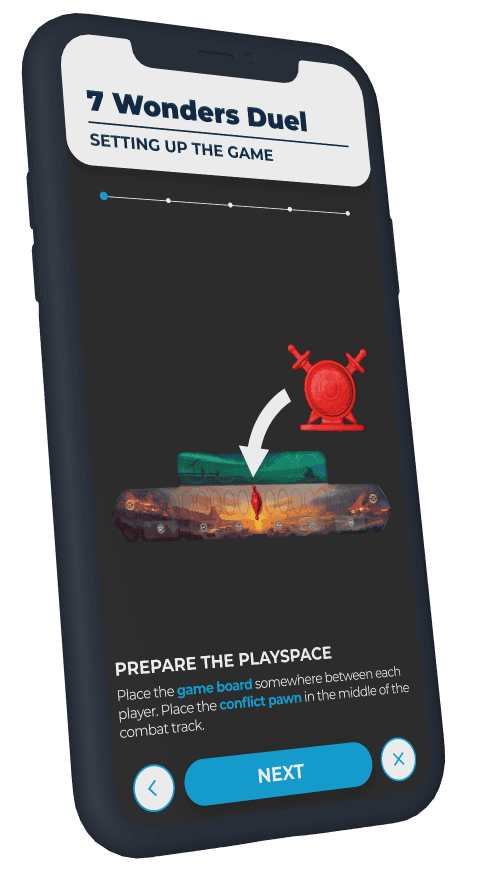
I wanted to mimic the learning structures that you find in traditional Anki learning, like Duolingo. For that reason, I split each game's manual into multiple small sections.
My hypothesis was that a user would be able to quickly learn the parts of the game that are relevant when they come up, and then move on, returning when they need to learn something more.
Introducing the user
I wanted to mimic the learning structures that you find in traditional Anki learning, like Duolingo. For that reason, I split each game's manual into multiple small sections.
My hypothesis was that a user would be able to quickly learn the parts of the game that are relevant when they come up, and then move on, returning when they need to learn something more.
Introducing the user
I wanted to mimic the learning structures that you find in traditional Anki learning, like Duolingo. For that reason, I split each game's manual into multiple small sections.
My hypothesis was that a user would be able to quickly learn the parts of the game that are relevant when they come up, and then move on, returning when they need to learn something more.
User Onboarding
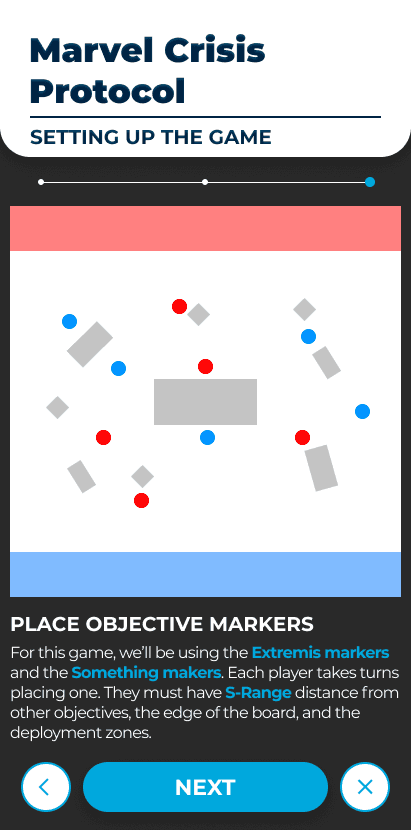
Much of the early exploration into Learn2Play was focused on presenting rules and information to the user. We felt that the success of the product was predicated on how successful we were to help people learn quickly and clearly.
As we didn't have assets directly from manufacturers, we utilized high-resolution scans and PDF's for each game, pulling assets as required. You'll see this process dramatically improves as development continues.
User Onboarding
Much of the early exploration into Learn2Play was focused on presenting rules and information to the user. We felt that the success of the product was predicated on how successful we were to help people learn quickly and clearly.
As we didn't have assets directly from manufacturers, we utilized high-resolution scans and PDF's for each game, pulling assets as required. You'll see this process dramatically improves as development continues.
User Onboarding
Much of the early exploration into Learn2Play was focused on presenting rules and information to the user. We felt that the success of the product was predicated on how successful we were to help people learn quickly and clearly.
As we didn't have assets directly from manufacturers, we utilized high-resolution scans and PDF's for each game, pulling assets as required. You'll see this process dramatically improves as development continues.
Early Box Art
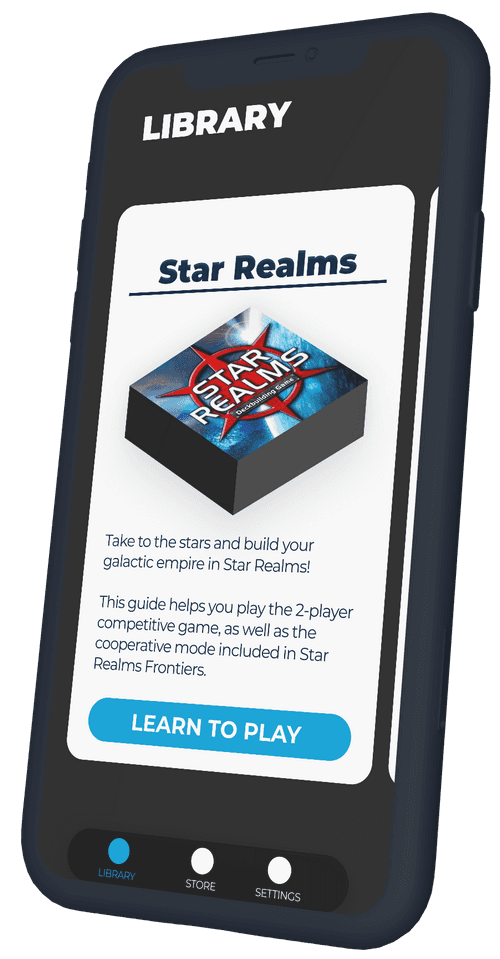
The first prototype used simplified box art of each game to showcase it.
While these little boxes were cute and easy to produce, early feedback repeatedly told me that they weren't exciting and didn't really create any visual interest.
We loved the idea of Learn2Play being a discovery platform that got users excited about discovering new games, so you'll see a dramatic improvement in our box art in the next iteration.
Early Box Art
The first prototype used simplified box art of each game to showcase it.
While these little boxes were cute and easy to produce, early feedback repeatedly told me that they weren't exciting and didn't really create any visual interest.
We loved the idea of Learn2Play being a discovery platform that got users excited about discovering new games, so you'll see a dramatic improvement in our box art in the next iteration.
Early Box Art
The first prototype used simplified box art of each game to showcase it.
While these little boxes were cute and easy to produce, early feedback repeatedly told me that they weren't exciting and didn't really create any visual interest.
We loved the idea of Learn2Play being a discovery platform that got users excited about discovering new games, so you'll see a dramatic improvement in our box art in the next iteration.
Iteration 2
We tested our prototype the same way any scrappy independent developers would do; we begged anyone we could find to try it out.
The app was a hit, and we found we were even using it in unironically in our own gaming sessions. We began formulating a plan for developing the app, and taking the user experience to the next level.
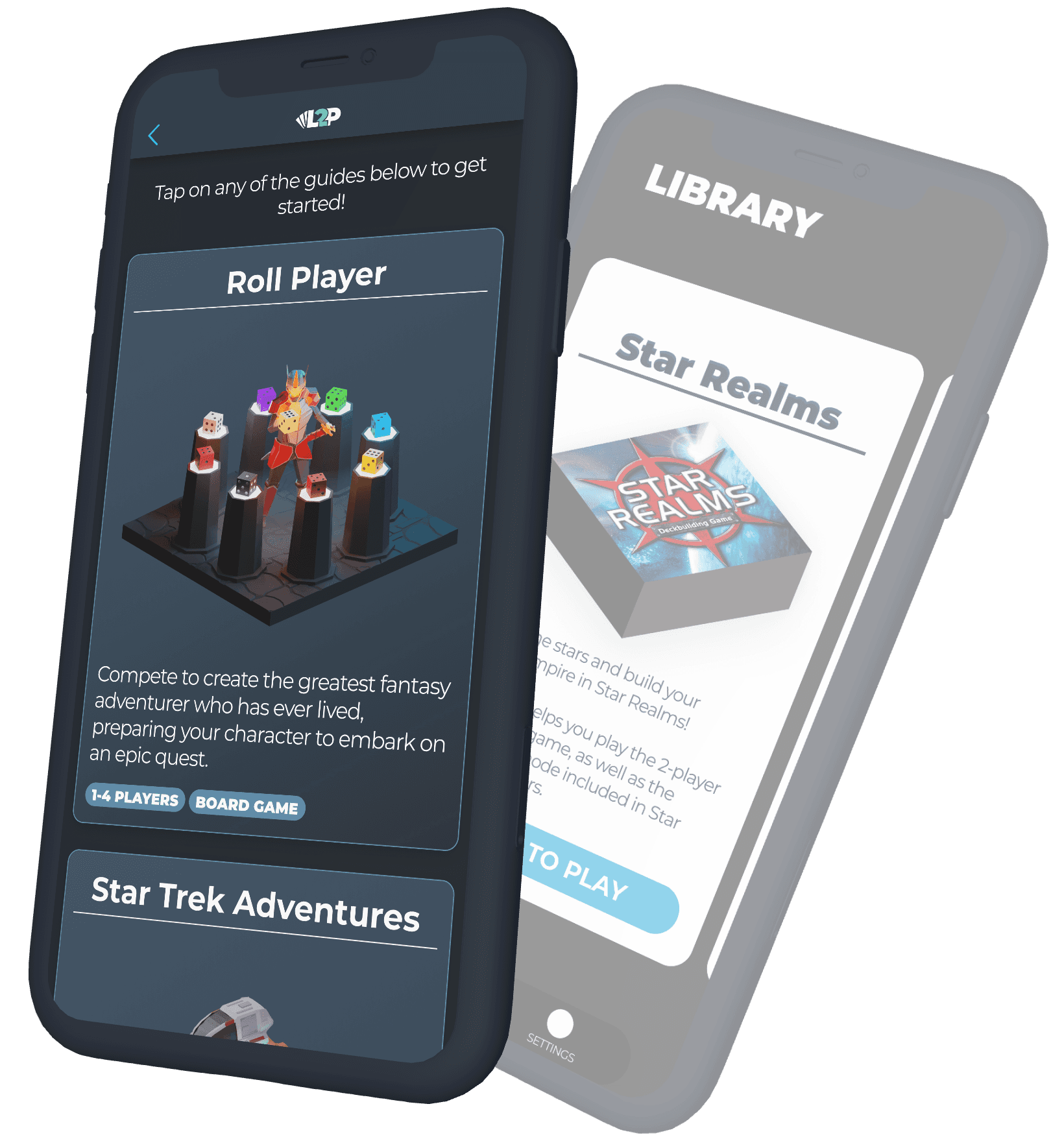
3D Game Art
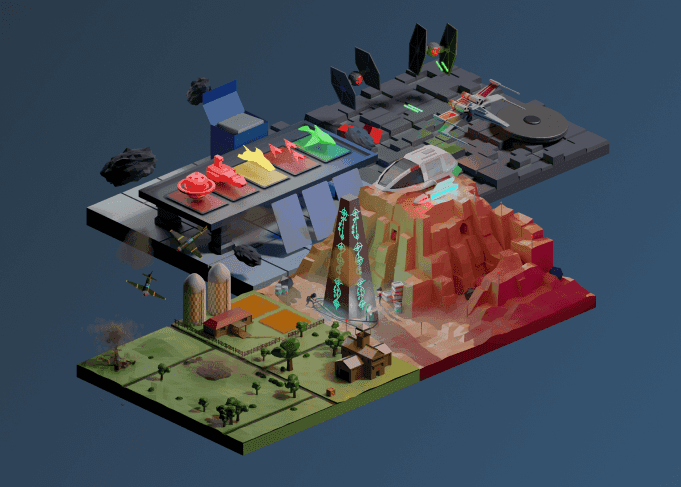
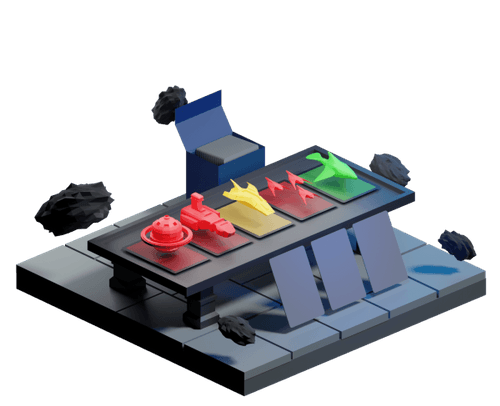
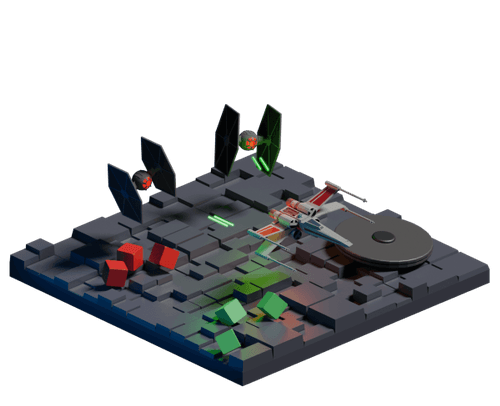
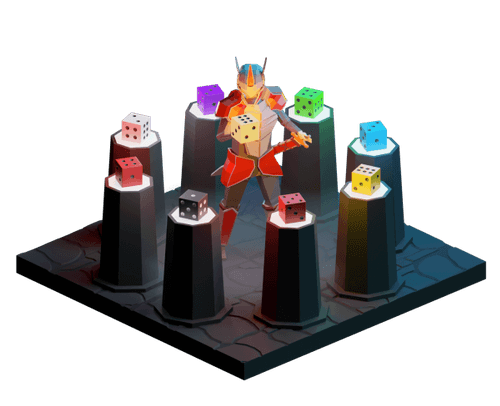
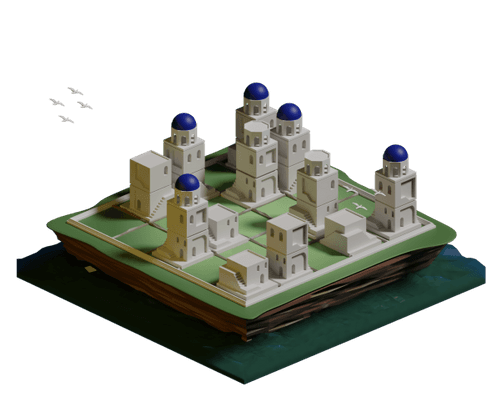
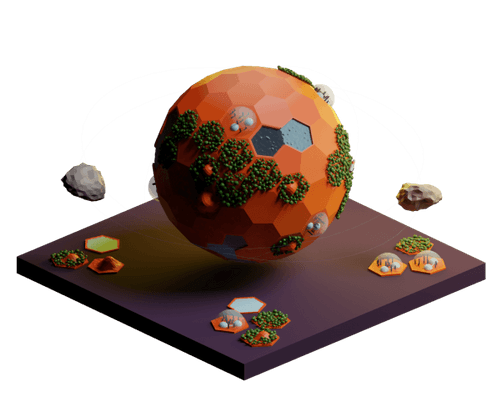
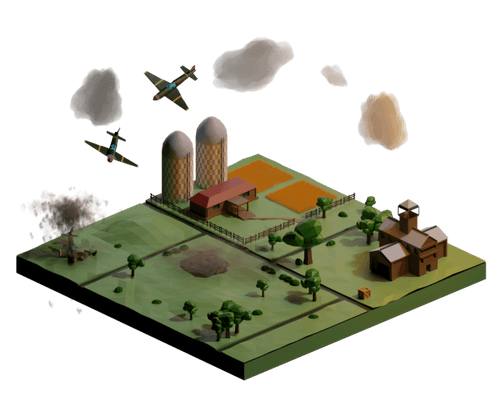
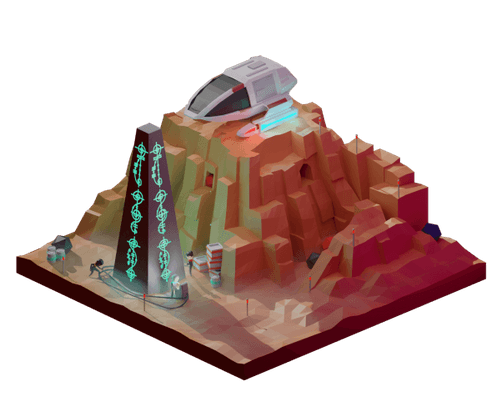
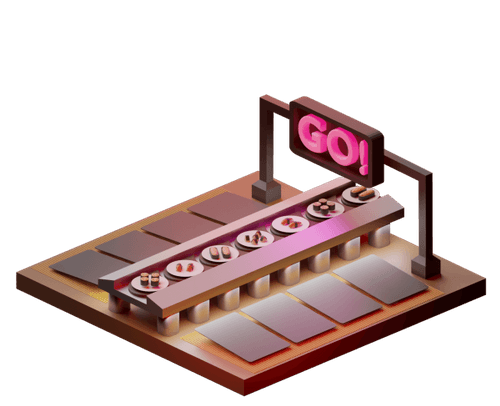
Once we started production of the app in earnest, I knew I wanted it to have a strong visual style that really built the excitement and wonder of opening up a new board game. I wanted a visual language that was modern and fresh, but also drew heavily on board game imagery.
3D Game Art
Once we started production of the app in earnest, I knew I wanted it to have a strong visual style that really built the excitement and wonder of opening up a new board game. I wanted a visual language that was modern and fresh, but also drew heavily on board game imagery.
3D Game Art
Once we started production of the app in earnest, I knew I wanted it to have a strong visual style that really built the excitement and wonder of opening up a new board game. I wanted a visual language that was modern and fresh, but also drew heavily on board game imagery.
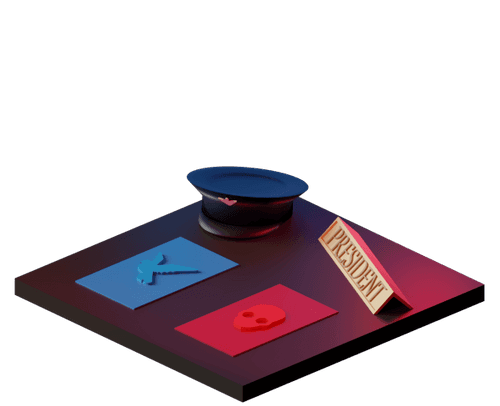
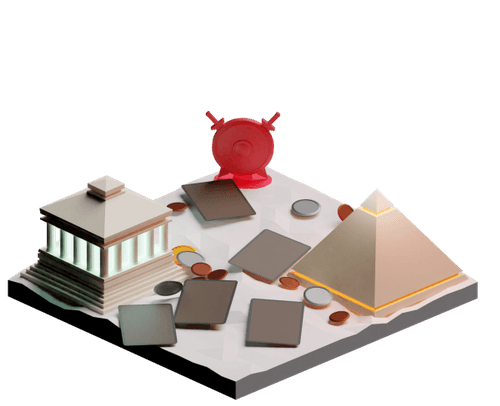
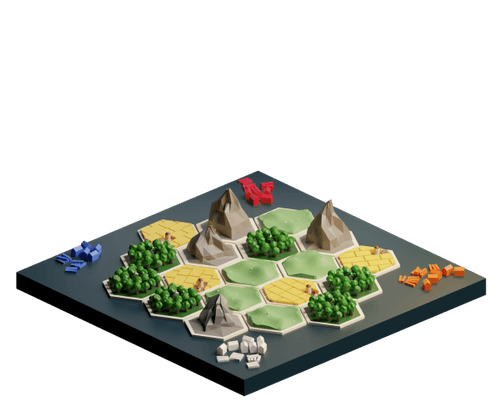
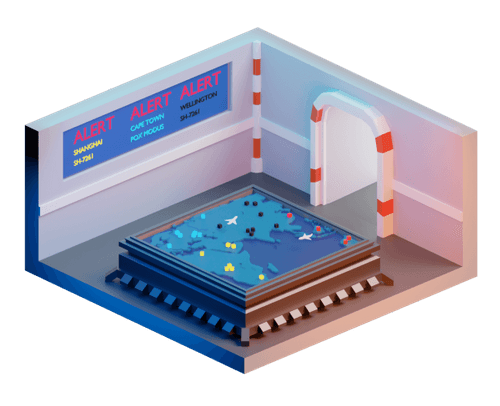
Diverse 3D ARtwork
While I'd dabbled in the past, 3D modelling was mostly new to me. As time went by, I picked up new techniques that allowed me to create more interesting and complex images. My focus was to bring the character of each respective game into the artwork.
Diverse 3D ARtwork
While I'd dabbled in the past, 3D modelling was mostly new to me. As time went by, I picked up new techniques that allowed me to create more interesting and complex images. My focus was to bring the character of each respective game into the artwork.
Diverse 3D ARtwork
While I'd dabbled in the past, 3D modelling was mostly new to me. As time went by, I picked up new techniques that allowed me to create more interesting and complex images. My focus was to bring the character of each respective game into the artwork.
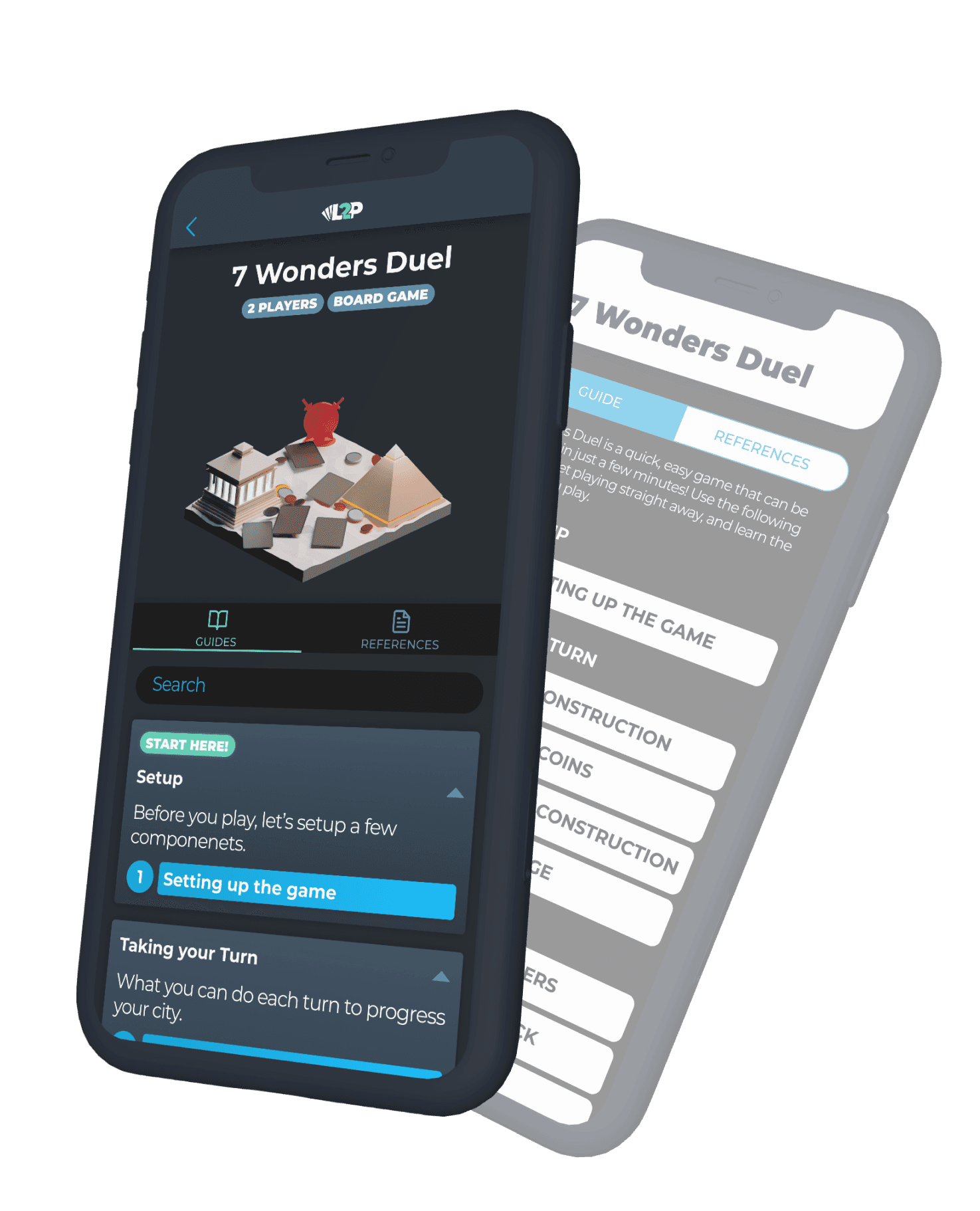
Look and Feel
As we were now ready to get serious about development, it was time to upgrade the look and feel of the app.
We wanted something that was simple, ubiquitous, and understated, as we needed it to gel well with whatever game we added into the app. We were also conscious that we might one day offer the app as a white-label service, so the cleaner the design was today, the easier that would be.
Above all though, we needed the app to be a better experience to the instruction manual. For that reason, we prioritized simplicity and ease of use over everything else.
This update also included a number of upgrades to the user journey, including sectioning off different types of content and adding search.
Look and Feel
As we were now ready to get serious about development, it was time to upgrade the look and feel of the app.
We wanted something that was simple, ubiquitous, and understated, as we needed it to gel well with whatever game we added into the app. We were also conscious that we might one day offer the app as a white-label service, so the cleaner the design was today, the easier that would be.
Above all though, we needed the app to be a better experience to the instruction manual. For that reason, we prioritized simplicity and ease of use over everything else.
This update also included a number of upgrades to the user journey, including sectioning off different types of content and adding search.
Look and Feel
As we were now ready to get serious about development, it was time to upgrade the look and feel of the app.
We wanted something that was simple, ubiquitous, and understated, as we needed it to gel well with whatever game we added into the app. We were also conscious that we might one day offer the app as a white-label service, so the cleaner the design was today, the easier that would be.
Above all though, we needed the app to be a better experience to the instruction manual. For that reason, we prioritized simplicity and ease of use over everything else.
This update also included a number of upgrades to the user journey, including sectioning off different types of content and adding search.
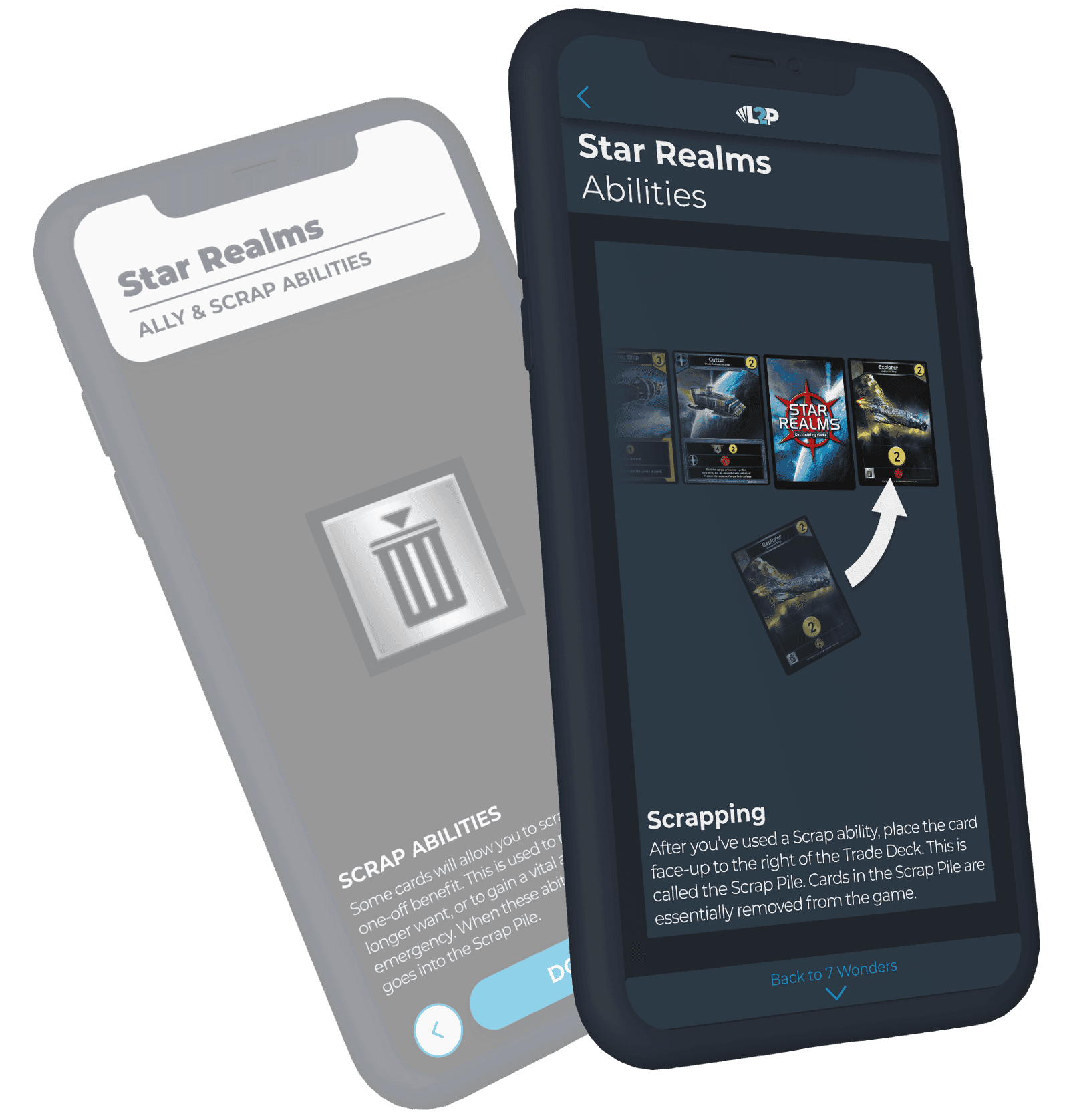
Content
We learned a lot from creating the content for our prototype, and took those lessons to upgrade the look and feel of our instructions. Instead of straight screenshots, we were now using high-resolution digital assets, and each screen has a customized set of graphics built specifically to aid in learning each specific rule or concept.
When testing these new assets, we found that they were far more effective in teaching users concepts of the game, as it's often easier to translate a concept visually rather than through text.
Content
We learned a lot from creating the content for our prototype, and took those lessons to upgrade the look and feel of our instructions. Instead of straight screenshots, we were now using high-resolution digital assets, and each screen has a customized set of graphics built specifically to aid in learning each specific rule or concept.
When testing these new assets, we found that they were far more effective in teaching users concepts of the game, as it's often easier to translate a concept visually rather than through text.
Content
We learned a lot from creating the content for our prototype, and took those lessons to upgrade the look and feel of our instructions. Instead of straight screenshots, we were now using high-resolution digital assets, and each screen has a customized set of graphics built specifically to aid in learning each specific rule or concept.
When testing these new assets, we found that they were far more effective in teaching users concepts of the game, as it's often easier to translate a concept visually rather than through text.
User Research & Testing
With the core product feature complete, we knew it was vital we began testing as soon as possible. We needed to ensure the product was fit for purpose, and that people preferred it over using the instruction manual. Asking our wives wasn't going to do it at this point - we needed to actually talk to our customer.
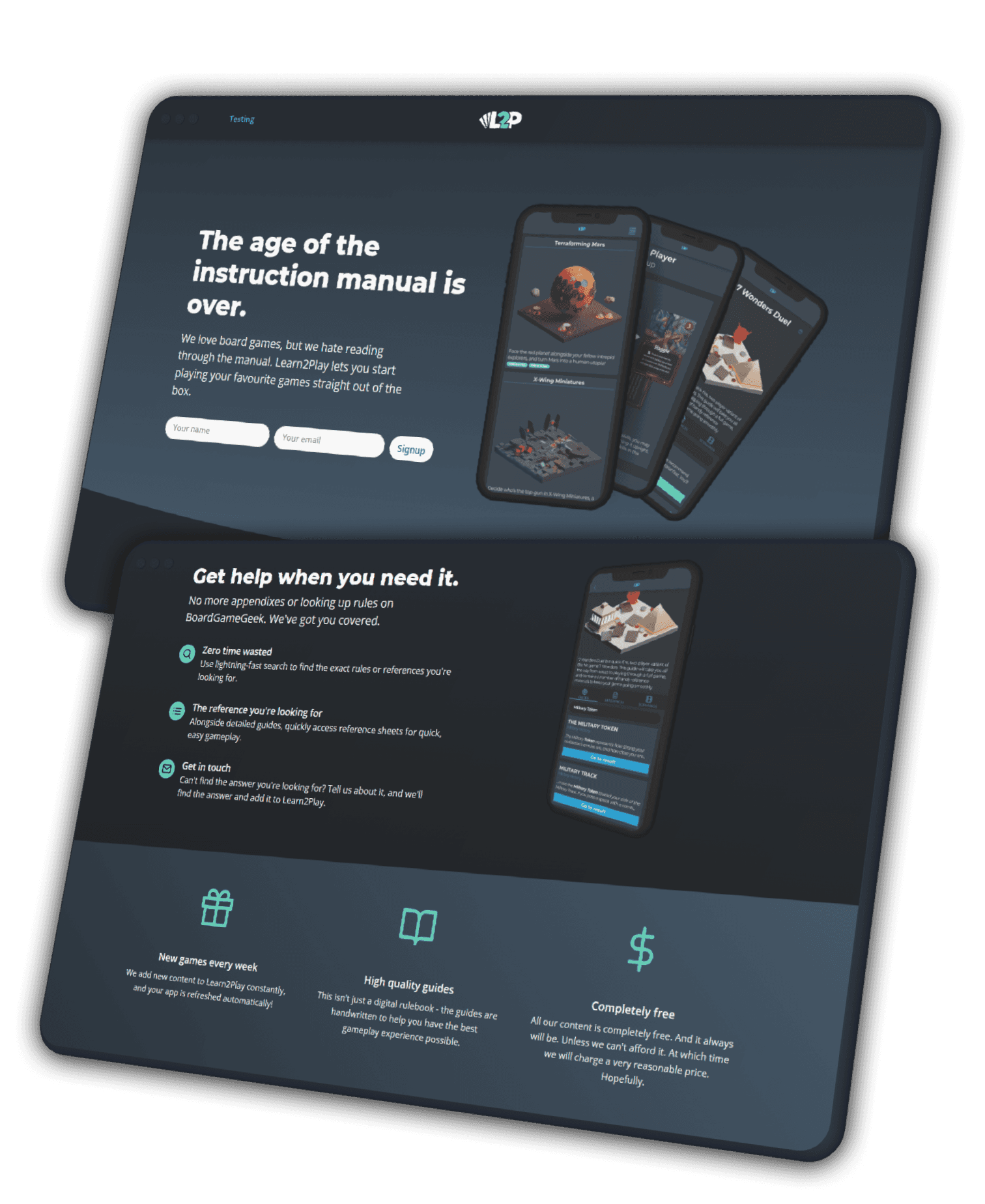
Participant site
So that users could discover what Learn2Play was about on their own, I put together a product site that explained the core use of the app. This site also included instructions on signing up for testing, which was essentially it's real purpose. You can actually visit the site, and sign up to test the app, here.
Participant site
So that users could discover what Learn2Play was about on their own, I put together a product site that explained the core use of the app. This site also included instructions on signing up for testing, which was essentially it's real purpose. You can actually visit the site, and sign up to test the app, here.
Participant site
So that users could discover what Learn2Play was about on their own, I put together a product site that explained the core use of the app. This site also included instructions on signing up for testing, which was essentially it's real purpose. You can actually visit the site, and sign up to test the app, here.
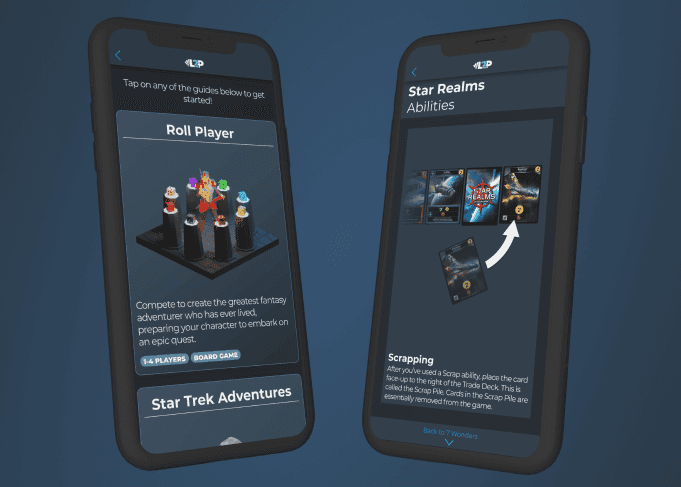
Instructional Graphics
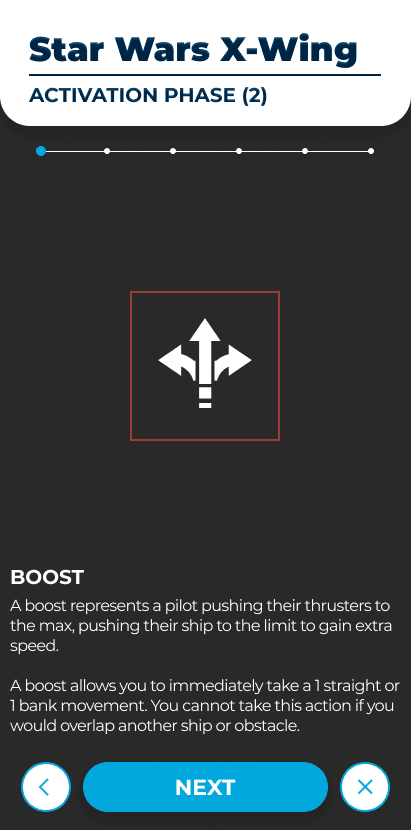
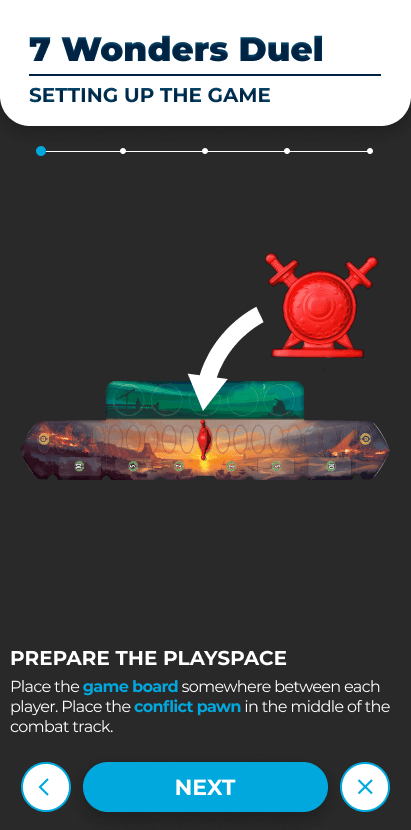
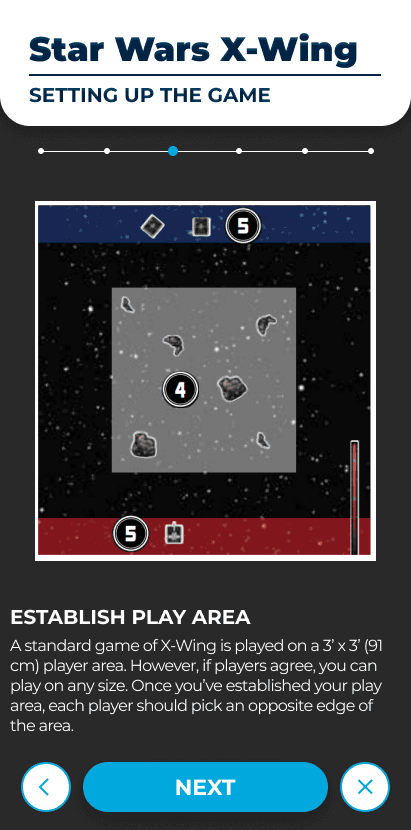
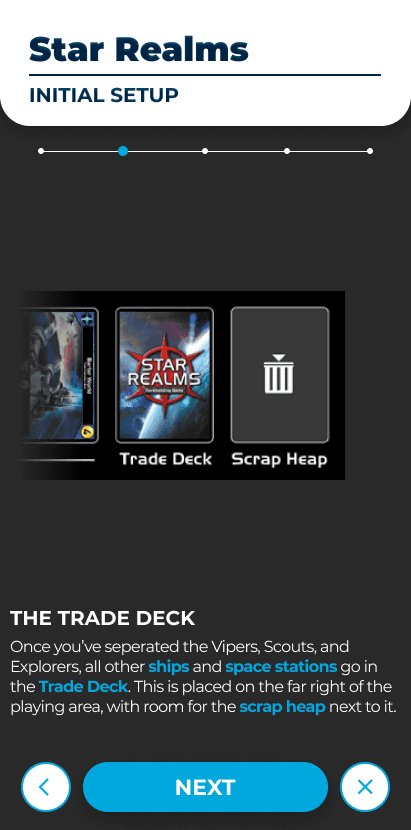
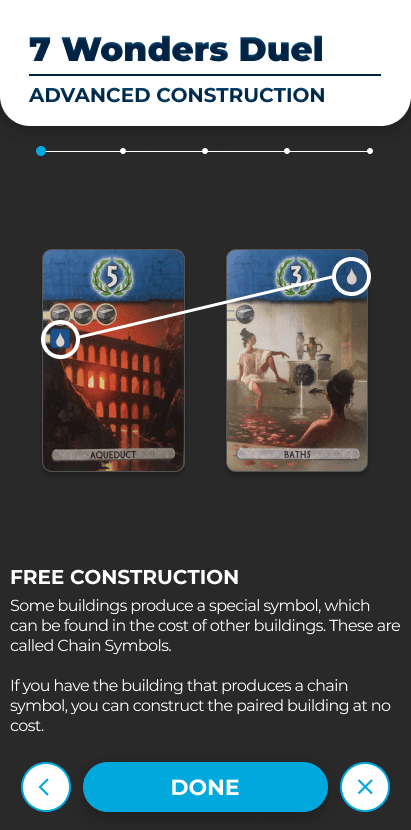
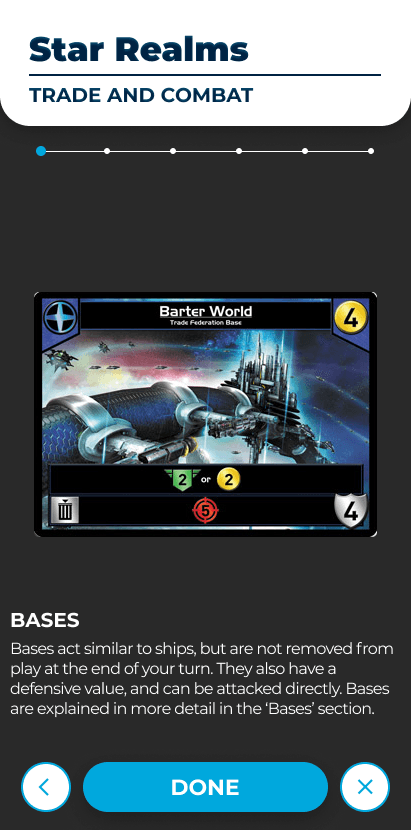
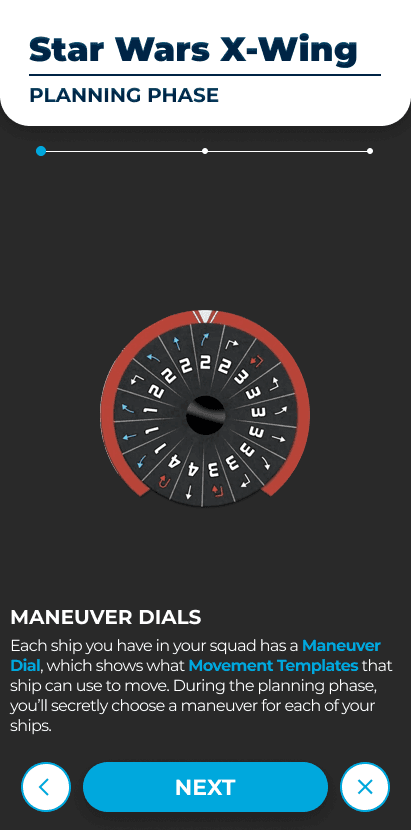
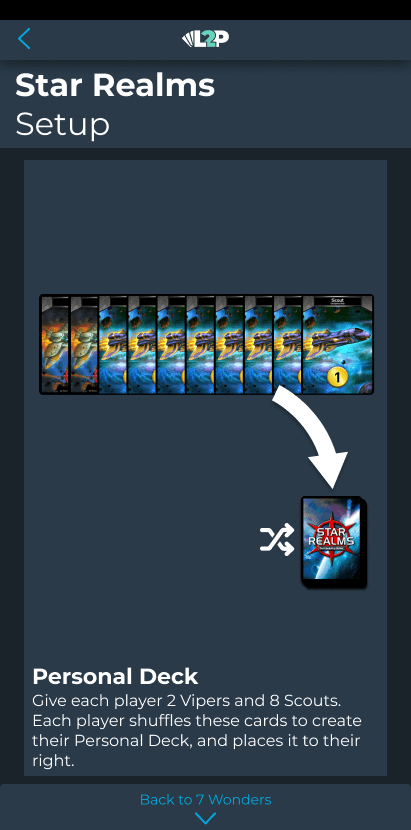
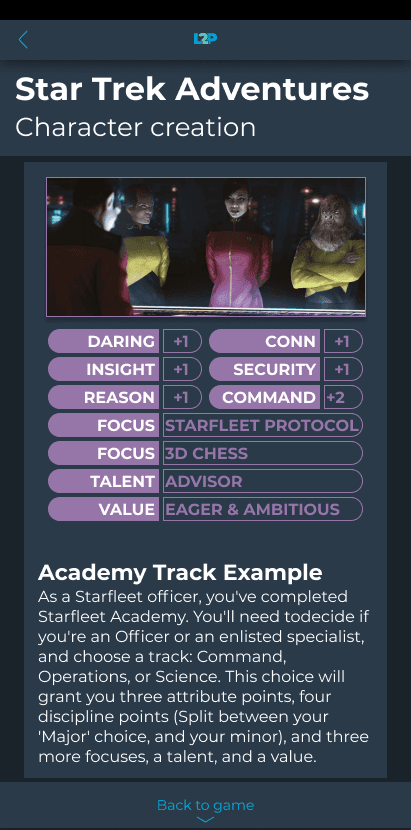
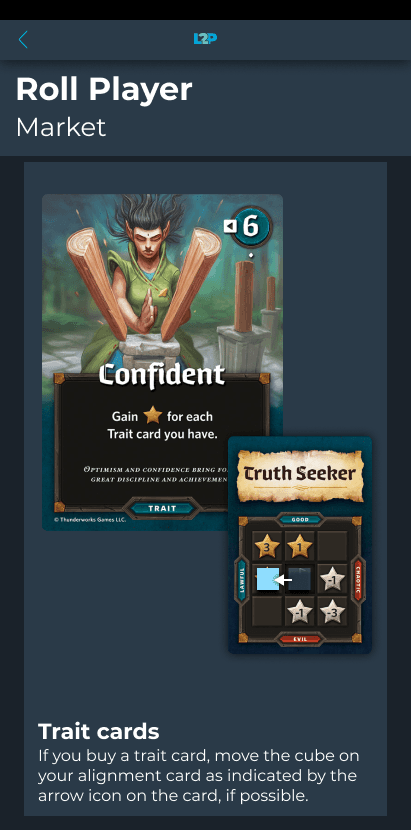
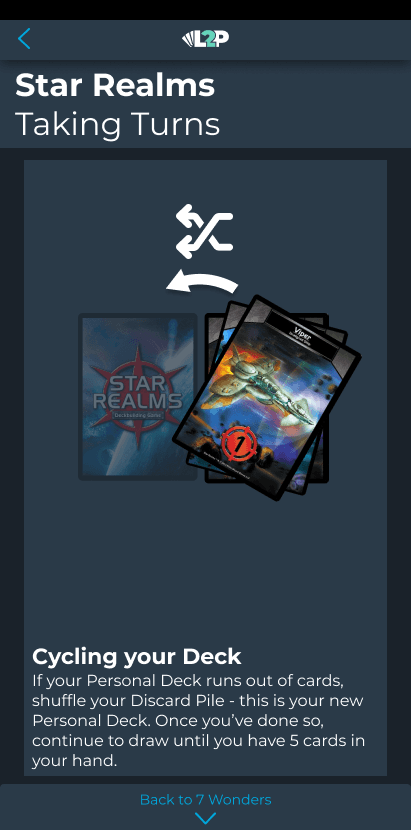
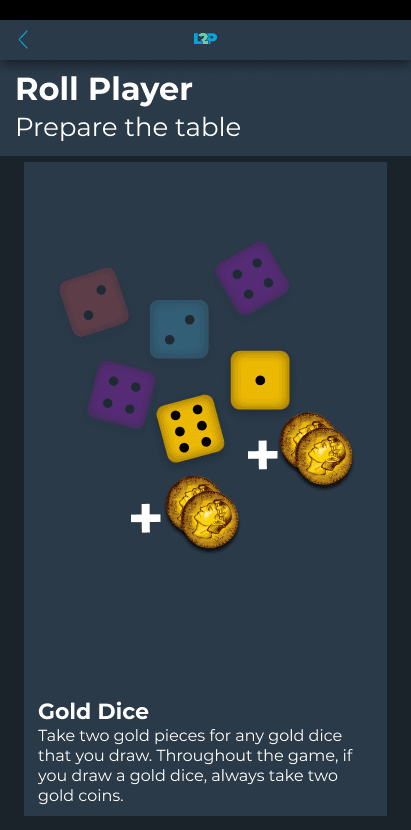
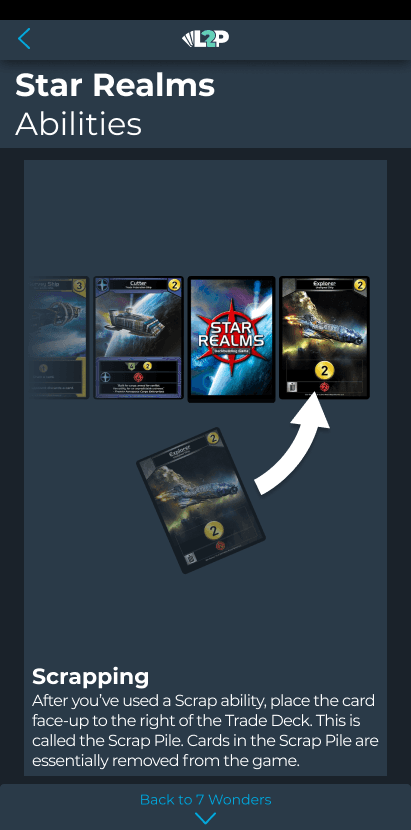
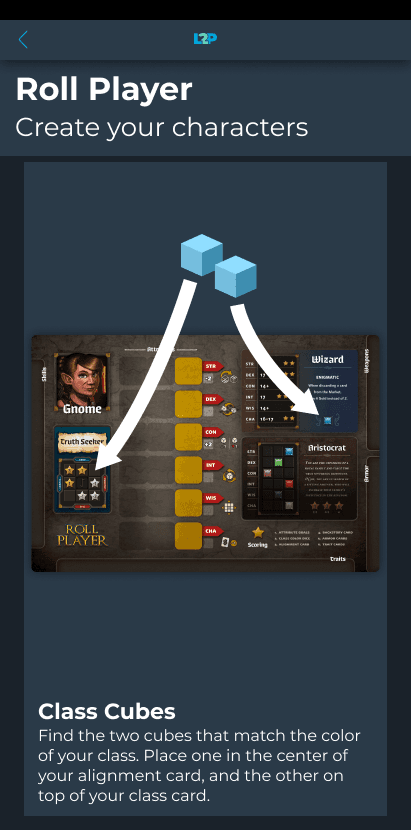
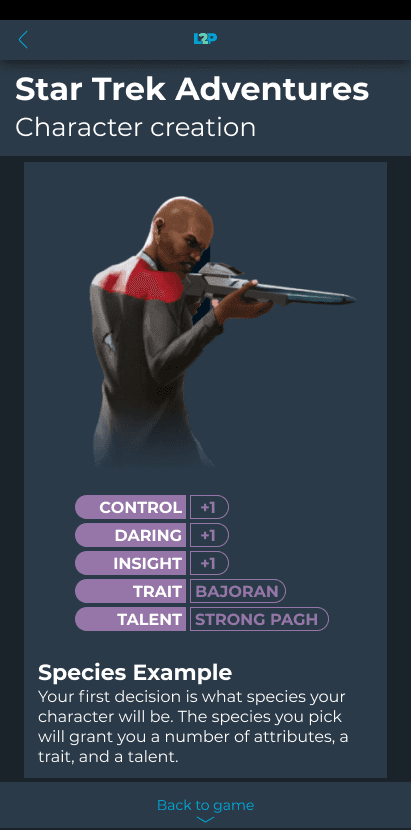
For V2, we spent significant time on the instructional graphics, improving on what's in each game's instruction manual. We fed these graphics into a script that generated each page of the guide, so we could see how the graphics paired with the descriptive text we'd written. The screenshots below are generated automatically, so some of the formatting is a little funky.
Instructional Graphics
For V2, we spent significant time on the instructional graphics, improving on what's in each game's instruction manual. We fed these graphics into a script that generated each page of the guide, so we could see how the graphics paired with the descriptive text we'd written. The screenshots below are generated automatically, so some of the formatting is a little funky.
Instructional Graphics
For V2, we spent significant time on the instructional graphics, improving on what's in each game's instruction manual. We fed these graphics into a script that generated each page of the guide, so we could see how the graphics paired with the descriptive text we'd written. The screenshots below are generated automatically, so some of the formatting is a little funky.
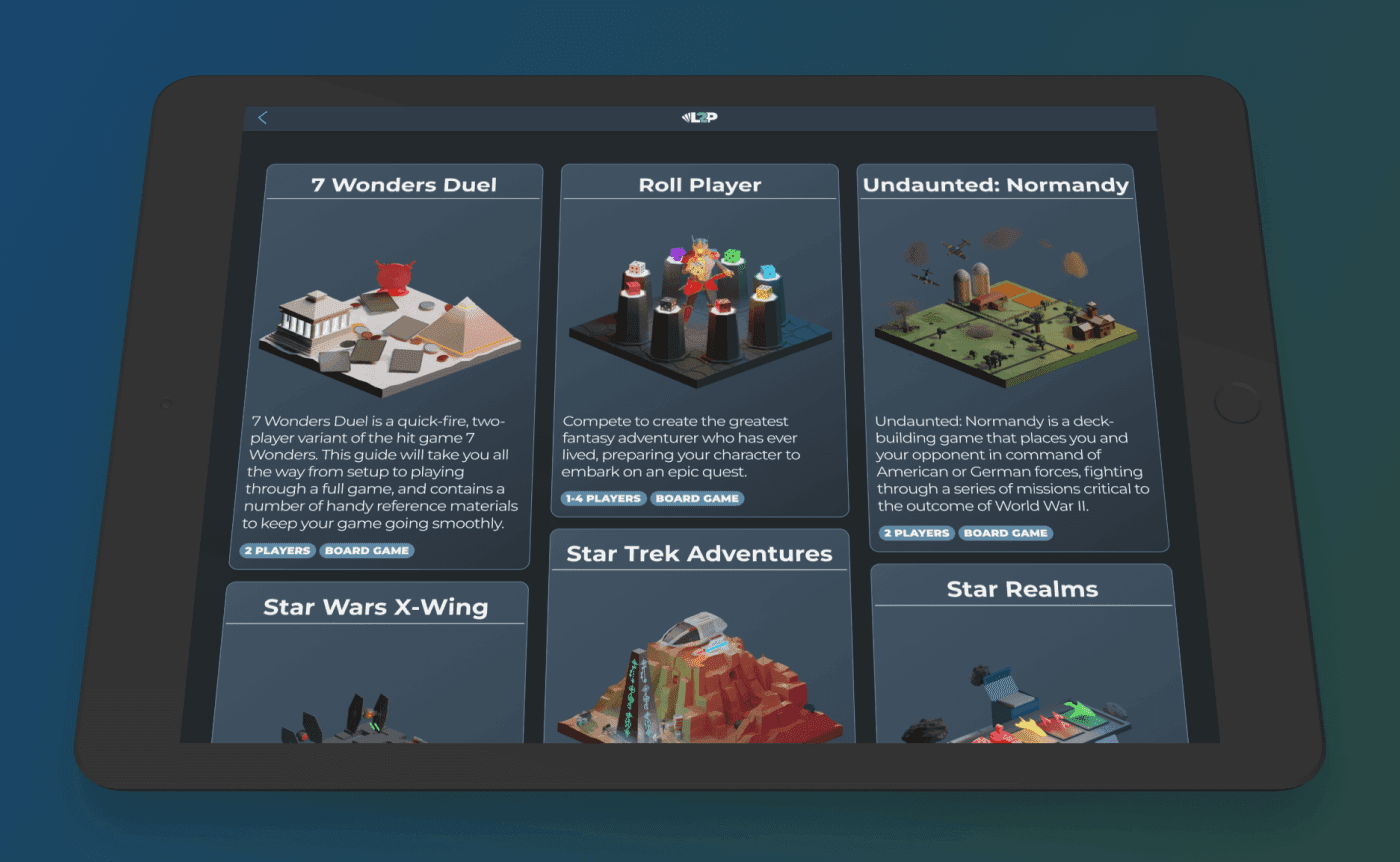
Tablet UI
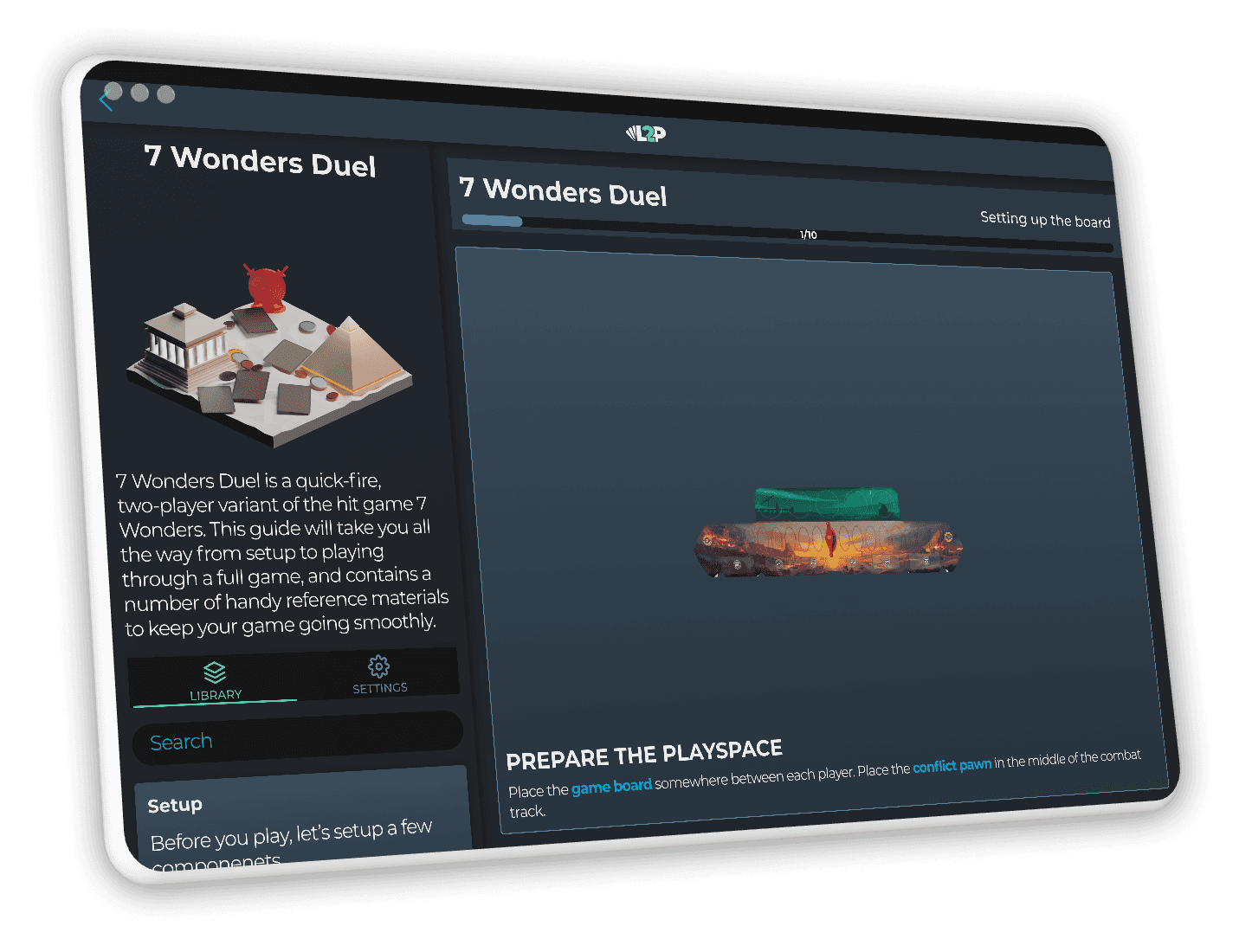
For testing, we also developed an early edition of a tablet UI. This layout allowed us to display much more information on a single screen, and significantly change the navigation structure to more closely simulate how the user might navigate the rulebook. We felt that tablet could be a particularly important platform for us, as it would allow players to share Learn2Play at the table by passing a tablet around.
Tablet UI
For testing, we also developed an early edition of a tablet UI. This layout allowed us to display much more information on a single screen, and significantly change the navigation structure to more closely simulate how the user might navigate the rulebook. We felt that tablet could be a particularly important platform for us, as it would allow players to share Learn2Play at the table by passing a tablet around.
Tablet UI
For testing, we also developed an early edition of a tablet UI. This layout allowed us to display much more information on a single screen, and significantly change the navigation structure to more closely simulate how the user might navigate the rulebook. We felt that tablet could be a particularly important platform for us, as it would allow players to share Learn2Play at the table by passing a tablet around.
At the end of 2022, we paused development on Learn2Play. However, we had a great time working on the app and creating something that people truly loved. Today, there are quite a few very successful products in this space, but Learn2Play will always have a place in our hearts!
I hope you enjoyed reading about our little project. If you have any questions, please feel free to get in touch!